
S193

Front View
(click to enlarge)

Back View
(click to enlarge)
Issue Details
- Issue Number
- S193
- Issue Type
- S: Solid embroidered patch
- Category
- Regular Issue
- Description
2027 Conclave Delegate- Western NC Threatened Species- Hellbender
- Year Issued
- 2027
- Quantity
- 200
- Material
- Embroidery
- Backing Type
- Plastic Back
- Issue Shape
- Flap - Generic
- Border Type
- R
- Border Color
- RED
- Background Color
- M/C
- Lettering Color
- BLK
- FDL/BSA Color
- LBL
- Manufacturer
- A-B Emblem
- PatchScan URL
- http://patchscan.com/v1/NK0CC
- Color Count (PS)
- 12
- Coverage (PS)
- 100
- Size in mm
- 129mm w x 58mm h
- Restrictions
- No restrictions on this issue
- Annotations
-
Delegate
Conclave
- Designed by
- Hank Birdsong
- History
The Tsali Lodge Threatened Species flap set depicts threatened Mammals, Insects, Amphibians, Reptiles, Birds, and Flora of Western North Carolina. The set was issued throughout 2027 as a fundraiser to subsidize the cost for Scouts to attend the 2027 National Order of the Arrow (NOAC) conference held at the University of Illinois Urbana-Champaign.
The Eastern Hellbender (Cryptobranchus a. alleganiensis) is one of the largest salamanders in the world, growing up to two feet long and weighing over three pounds. Often called the "snot otter" or "devil dog" due to its slimy, wrinkled skin, this fully aquatic amphibian is completely harmless and has lived in Appalachian streams for millions of years.
Hellbenders have flat bodies, tiny eyes, and wide heads, allowing them to squeeze beneath large, flat river stones where they hide by day and hunt for crayfish at night. Unlike humans, adults do not breathe through lungs; instead, they absorb oxygen directly from the water through the fleshy skin folds along their sides. Because they require cold, fast-moving, and pristine water to survive, scientists look at hellbender health to judge the overall health of a river. Male hellbenders act as dedicated fathers, digging underwater dens and fiercely guarding hundreds of eggs until they hatch.Environmental Threats in Western North Carolina
• Muddy Sedimentation: Soil runoff from construction sites and agriculture blankets the riverbed, smothering hellbender eggs and burying the large rocks they use for shelter.
• Extreme Weather: Catastrophic events like Hurricane Helene rip up the river bottom, washing away nesting rocks and trapping hellbenders in muddy debris.
• Dams and Road Crossings: Artificial barriers slow down currents, which raises water temperatures and reduces the vital oxygen levels the animals need to breathe.
• Human Rock-Stacking: Moving river stones to build recreational rock towers accidentally crushes hidden salamanders and destroys critical breeding dens.
• Toxic Pollution: Agricultural pesticides, chemical runoff, and heavy metals contaminate the water and degrade the clean habitats required for survival.
Sets
This issue is part of the following sets:
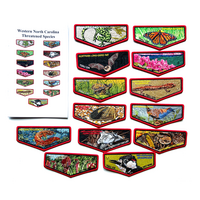
Western North Carolina Threatened Species
Revision History
There have been 1 revisions. Last change was create on 06 Aug 2026 by Henry Birdsong
Is this information incorrect?
File a report and help us improve.
All Catalog Entries
This issue exists in the following catalogs:
-
PatchVault
Tsali (134A) S193