

Front View
(click to enlarge)

Back View
(click to enlarge)
2027 Conclave Trader- Western NC Threatened Species- Timber Rattlesnake
The Tsali Lodge Threatened Species flap set depicts threatened Mammals, Insects, Amphibians, Reptiles, Birds, and Flora of Western North Carolina. The set was issued throughout 2027 as a fundraiser to subsidize the cost for Scouts to attend the 2027 National Order of the Arrow (NOAC) conference held at the University of Illinois Urbana-Champaign.
The timber rattlesnake (Crotalus horridus) is a large, heavy-bodied pit viper native to the eastern United States. Growing between 3 to 5 feet long, this venomous snake is famous for the distinctive rattle made of keratin on its tail, which it shakes to warn away predators. They have a broad, triangular head and are typically yellow, gray, or brown with dark, chevron-shaped crossbands that provide excellent camouflage on the forest floor. As ambush predators, they sit motionless, using specialized heat-sensing pits to detect and hunt rodents and squirrels. In the winter, they gather in large numbers to hibernate in rocky mountain crevices.
Environmental Threats
In western North Carolina, the timber rattlesnake is designated as a Species of Special Concern due to rapid population declines. There are several reasons why they are threatened in this mountainous region:
• Habitat Fragmentation: Human development, particularly road construction and neighborhood expansion, carves up the deep forests they rely on, isolating populations.
• Road Mortality: Because they cross roads to migrate between summer hunting grounds and winter dens, many snakes are accidentally run over by vehicles.
• Human Persecution: Fear leads to intentional killing. Despite being protected by the North Carolina Endangered Species Act, people frequently kill them out of panic.
• Poaching: Snakes are illegally captured and removed from the wild for the black-market exotic pet trade.
• Slow Reproduction: Females take up to 13 years to mature and only reproduce every 2 to 6 years, making it incredibly difficult for populations to recover.
This issue is part of the following sets:
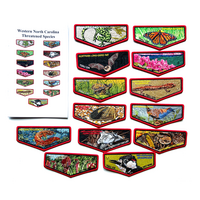
Western North Carolina Threatened Species
There have been 1 revisions. Last change was create on 06 Aug 2026 by Henry Birdsong
Is this information incorrect?
File a report and help us improve.
This issue exists in the following catalogs:
PatchVault
Tsali (134A) S195