
S197

Front View
(click to enlarge)

Back View
(click to enlarge)
Issue Details
- Issue Number
- S197
- Issue Type
- S: Solid embroidered patch
- Category
- Regular Issue
- Description
Western NC Threatened Species- Eastern Black Rail
- Year Issued
- 2027
- Quantity
- 200
- Material
- Embroidery
- Backing Type
- Plastic Back
- Issue Shape
- Flap - Generic
- Border Type
- R
- Border Color
- RED
- Background Color
- GRY
- Lettering Color
- BLK
- FDL/BSA Color
- GRY
- Manufacturer
- A-B Emblem
- PatchScan URL
- http://patchscan.com/v1/QK0CC
- Color Count (PS)
- 12
- Coverage (PS)
- 100
- Size in mm
- 129mm w x 58mm h
- Restrictions
- No restrictions on this issue
- Annotations
- No annotations on this issue
- Designed by
- Hank Birdsong
- History
The Tsali Lodge Threatened Species flap set depicts threatened Mammals, Insects, Amphibians, Reptiles, Birds, and Flora of Western North Carolina. The set was issued throughout 2027 as a fundraiser to subsidize the cost for Scouts to attend the 2027 National Order of the Arrow (NOAC) conference held at the University of Illinois Urbana-Champaign.
The Eastern Black Rail (Laterallus jamaicensis) is the smallest marsh bird in North America, measuring about the size of a sparrow. These small birds look like tiny, dark gray or black "feathered mice" with white speckles on their backs, rich chestnut patches on their necks, and striking bright red eyes. Instead of flying, they prefer to run through dense, low-growing marsh grasses where they hunt for small insects, spiders, and snails. Because they are incredibly secretive and rarely seen, people usually only know they are around by listening for the male's distinct, three-note "kick-ee-doo" call at night.
Environmental Threats
While most Black Rails live in coastal saltwater marshes, a small number historically rely on inland, high-altitude freshwater wetlands. Sadly, the species is threatened in western North Carolina due to major changes in its environment:
• Wetland Loss and Draining: Humans have cleared, ditched, and drained many natural mountain bogs and wet meadows for agriculture, housing, and commercial development.
• Altered Hydrology: Changes to local water systems, such as building dams or diverting water, have destroyed the precise water depths—usually less than one inch—that the birds require to forage and successfully raise young.
• Extreme Weather: Climate-driven increases in severe summer droughts dry up their muddy feeding grounds, while sudden, intense mountain flooding washes away their low-lying ground nests.Because of these compounding threats, the federal government protects the eastern Black Rail subspecies as a threatened species under the Endangered Species Act.
Sets
This issue is part of the following sets:
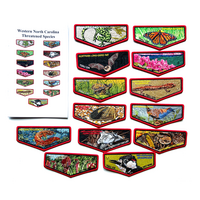
Western North Carolina Threatened Species
Revision History
There have been 1 revisions. Last change was create on 06 Aug 2026 by Henry Birdsong
Is this information incorrect?
File a report and help us improve.
All Catalog Entries
This issue exists in the following catalogs:
-
PatchVault
Tsali (134A) S197